

Последний
- 01Лопастные насосы серии VQ: 20VQ, 25VQ, 35VQ, 45VQ
- 02Лопастные насосы серии VQ: 20VQ, 25VQ, 35VQ, 45VQ
- 03Лопастные насосы серии V: 20V, 25V, 35V, 45V
- 04Серии лопастных насосов V: характеристики моделей 20V, 25V, 35V, 45V
- 05Области применения гидронасосов серии REXROTH AZP (AZPB/AZPF/AZPN/AZPG)
- 06Насосы шестеренчатые серии AZP Bosch Rexroth

Whats: +86 13728707767
hyd-sales2009@outlook.com
Промышленные новости
ДомашняяПромышленные новостиПодробности
DAIKIN variable piston Pump V70 series manual
Опубликовано: 2026-04-21 11:35:13 Просмотр: 174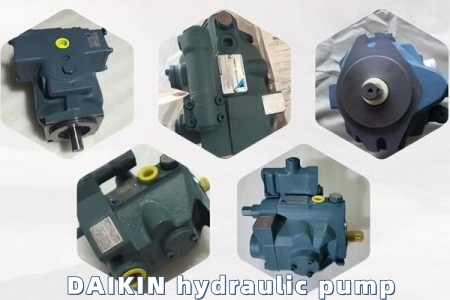
1. General Introduction
2. Technical Specifications
Item | Specification |
|---|---|
Model Series | V70 Series Variable Piston Pump |
Theoretical Discharge Rate | 69.8 cm³/rev |
Maximum Operating Pressure | 21 MPa {210 kgf/cm²} |
Permissible Rotational Speed | 500 to 1800 min⁻¹ |
Discharge Rate Adjustment Range (at 1800 min⁻¹) | 13 to 126 L/min (axial port and side port) |
Mass (Control Method A, Side Port) | 55 kg |
Applicable Fluid | Petroleum-based hydraulic fluid (no designation); Water-glycol hydraulic fluid (code W); Phosphate ester hydraulic fluid (code F) |
Direction of Rotation (Viewed from Shaft End) | Clockwise (R) or Counterclockwise (L) |
Piping Direction | Side port (code X); Axial port (optional) |
Design Number | 60 (subject to change) |
3. Product Features
3.1 Low Noise
3.2 High Efficiency
3.3 High Reliability
3.4 Flexible Control Options
4. Model Code Interpretation
V: Series identifier (V Series variable piston pump)
70: Pump capacity (69.8 cm³/rev)
A: Control method (Pressure Compensator Control)
3: Pressure adjustment range (3.5 to 21 MPa {35 to 210 kgf/cm²})
R: Direction of rotation (Clockwise, viewed from the shaft end)
X: Piping direction (Side port)
60: Design number (subject to change)
5. Installation Instructions
5.1 Installation Environment
Install the pump in a clean, dry, and well-ventilated environment, away from high-temperature heat sources and corrosive substances.
Ensure the installation location has sufficient space for operation, maintenance, and disassembly of the pump.
The ambient temperature should be within the range suitable for the hydraulic fluid used; if working in extreme temperatures, a cooling or heating system should be equipped to maintain the fluid temperature within the appropriate range.
5.2 Installation Steps
Fix the pump firmly on the mounting base using bolts that meet the specified specifications. Ensure the mounting surface is flat and clean to avoid vibration during operation.
Align the pump shaft with the drive motor shaft accurately. The coaxiality error should not exceed the specified value to prevent shaft wear and vibration.
Connect the suction and discharge pipes according to the piping direction (axial port or side port). Ensure the pipes are clean, free of debris, and tightly connected to avoid oil leakage. The suction pipe should be as short and straight as possible to reduce suction resistance.
Fill the pump and hydraulic system with the recommended hydraulic fluid. The fluid level should meet the requirements of the system, and the fluid should be filtered to remove impurities before filling.
Check the rotation direction of the pump. Before formal operation, manually rotate the pump shaft to ensure it rotates flexibly without jamming. Then, test-run the motor briefly to confirm that the pump rotation direction is consistent with the specified direction (R or L).
6. Operation Guide
6.1 Pre-Operation Check
Check the hydraulic fluid level and quality. If the fluid level is too low, add the recommended hydraulic fluid; if the fluid is contaminated or deteriorated, replace it immediately.
Check all pipe connections for oil leakage. Tighten any loose connections.
Check the pressure gauge, flow meter, and other instruments to ensure they are accurate and in normal working condition.
Check the control system (such as pressure adjustment valves) to ensure it is set correctly and operates flexibly.
6.2 Start-Up Operation
Start the drive motor at low speed and let the pump run idly for 2 to 3 minutes. During idling, observe whether the pump operates smoothly, whether there is abnormal noise or vibration, and whether there is oil leakage.
Gradually increase the motor speed to the rated speed and adjust the system pressure to the working pressure according to the application requirements. The pressure adjustment should be carried out slowly to avoid sudden pressure surges that may damage the pump and system components.
After the pump runs stably, check the discharge flow and pressure to ensure they meet the design requirements. Monitor the fluid temperature; if the temperature exceeds the limit, stop the pump and check the cooling system or other potential problems.
6.3 Normal Operation Precautions
During operation, always monitor the pump's operating status, including noise, vibration, fluid temperature, and pressure. If any abnormal phenomenon is found, stop the pump immediately for inspection and troubleshooting.
Do not exceed the maximum operating pressure and rotational speed of the pump to avoid reducing the pump's service life or causing equipment failure.
The discharge rate can be adjusted according to the system needs through the control mechanism, but the adjustment should be smooth and avoid sudden changes in flow rate.
Ensure the hydraulic fluid is kept clean. Regularly check the filter and replace the filter element when it is clogged or damaged.
Связанные
 +86 13728707767
  +86 13728707767